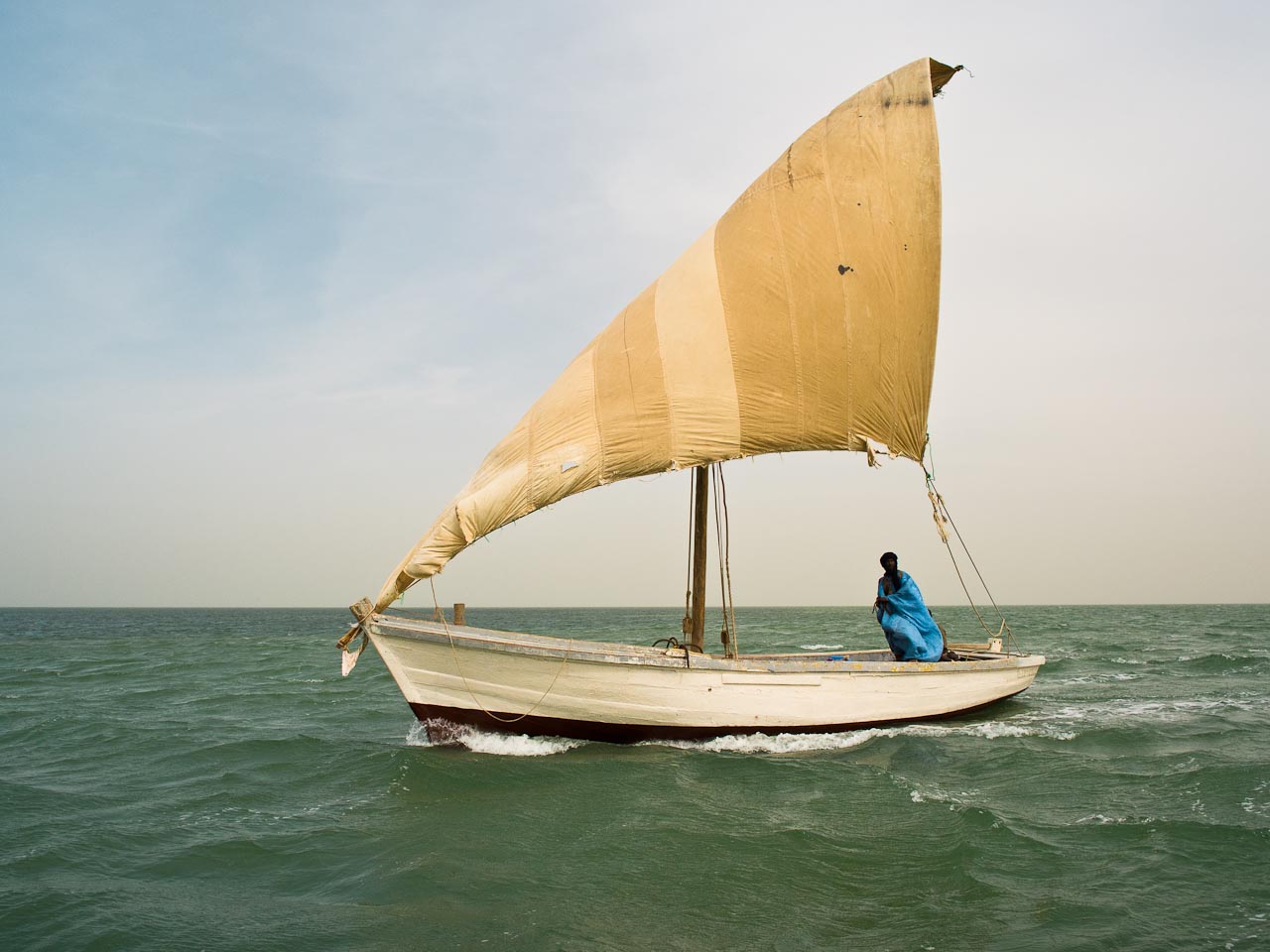
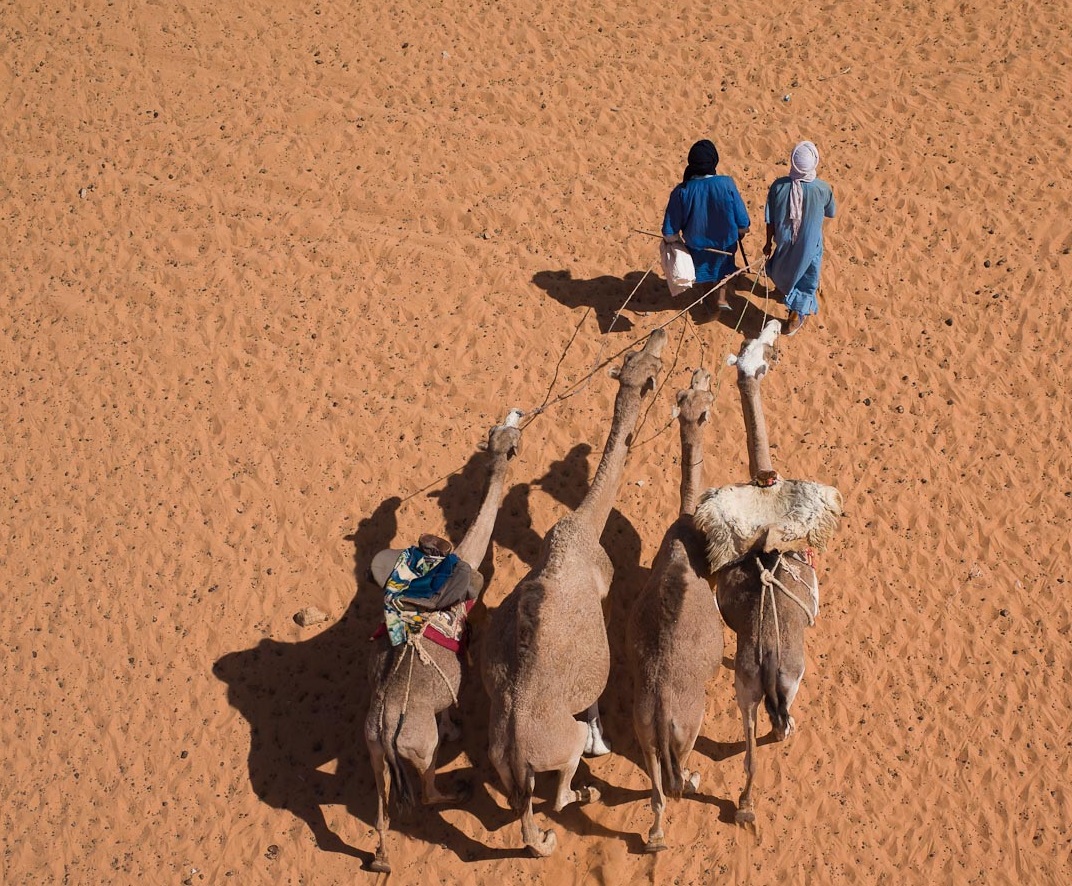
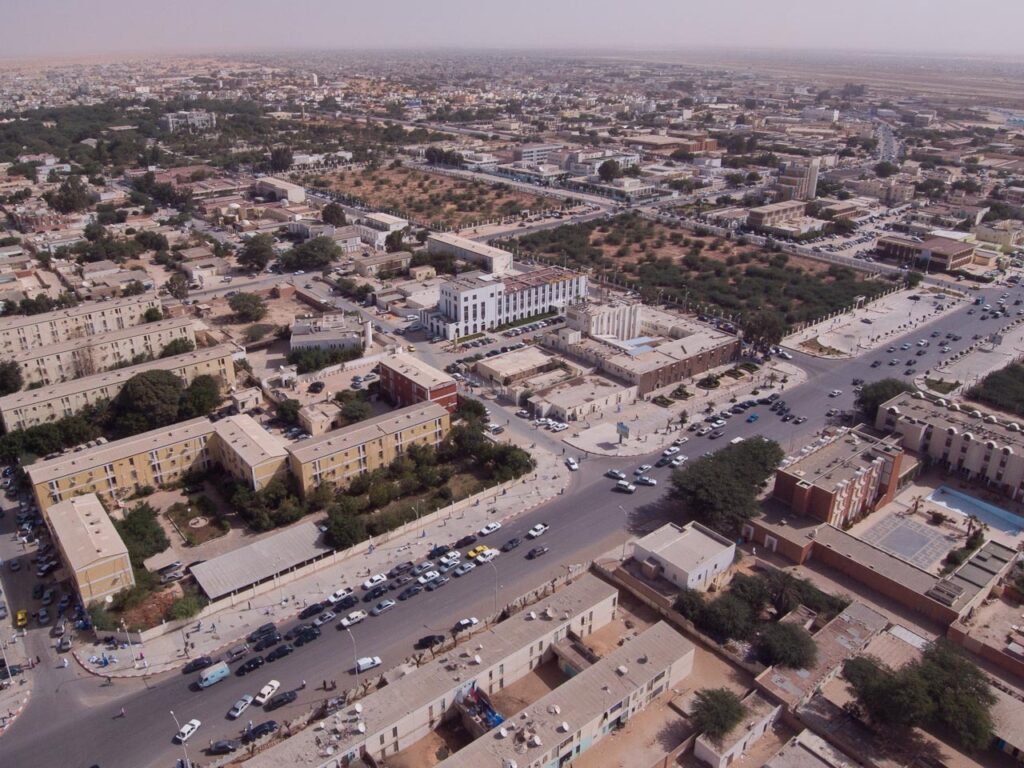
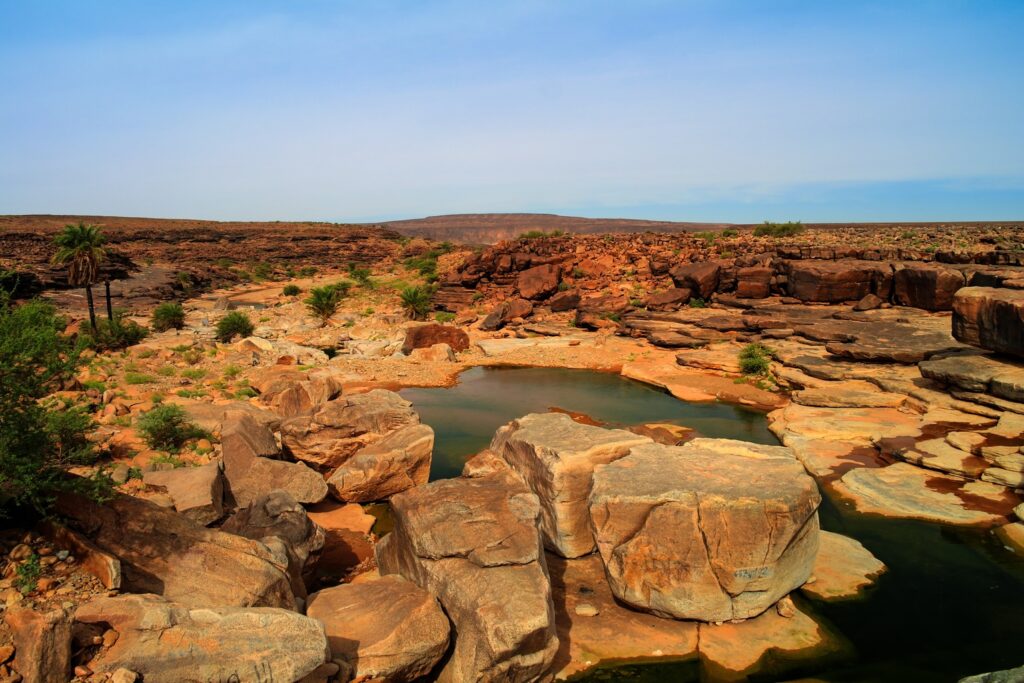
Located at the crossroads of North Africa and sub-Saharan Africa, Mauritania is a country of wide open spaces, ancient traditions, and a cultural identity deeply rooted in the history of the Sahara and the Atlantic. It offers breathtakingly beautiful landscapes, ranging from golden dunes to wild coastlines, passing through verdant oases and spectacular rocky plateaus.
Mauritania is above all a land of encounters and cultural exchange, where Saharan and Sahelian cultures coexist. It is distinguished by the richness of its human heritage, the hospitality of its people, and the living transmission of ancestral knowledge linked to nomadism, artisanal fishing, livestock farming, and trans-Saharan trade.
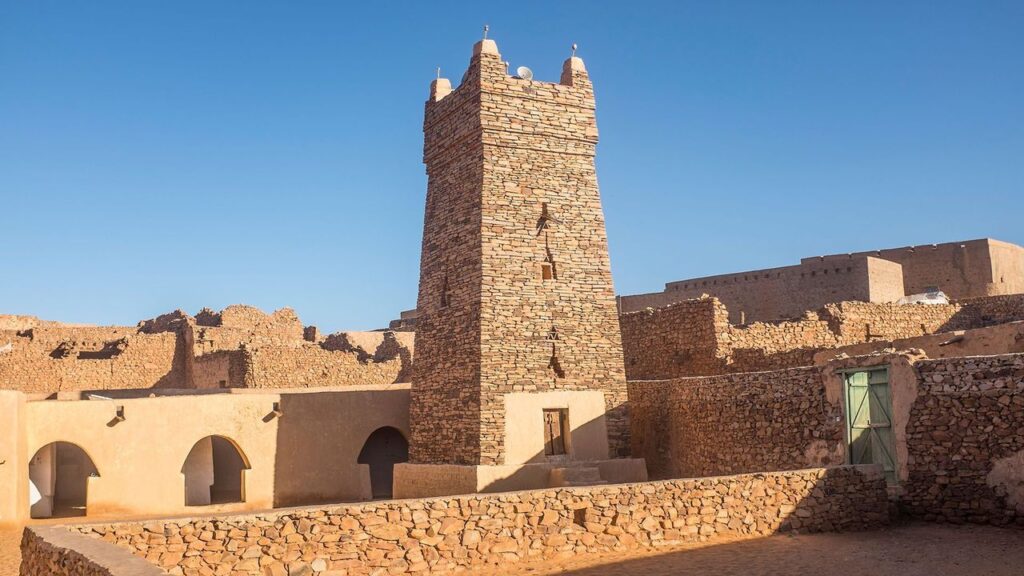
Home to prestigious historical cities such as Chinguetti, Ouadane, Tichitt and Oualata, listed as UNESCO World Heritage sites, Mauritania has established itself for centuries as a major crossroads of religious knowledge, spiritual influence and intellectual exchange.
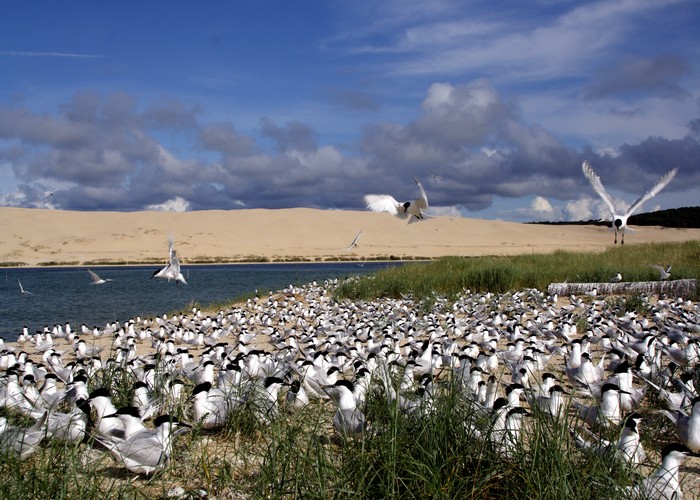
In terms of natural resources, Mauritania is home to ecosystems of global value, including the Banc d’Arguin National Park, a true jewel of marine and coastal biodiversity in West Africa (a UNESCO World Heritage Site), as well as the Diawling National Park and the Awleigatt National Park, emblematic areas where biodiversity protection, ecosystem preservation and wildlife conservation are combined.
These exceptional sites testify to the country’s constant commitment to environmental protection and the promotion of sustainable development, based on harmonious coexistence with local communities.
Between modernity and traditions, Mauritania is today asserting itself as a space for dialogue, regional cooperation and innovation, particularly in the areas of environmental governance, marine conservation and the blue economy.
Climat
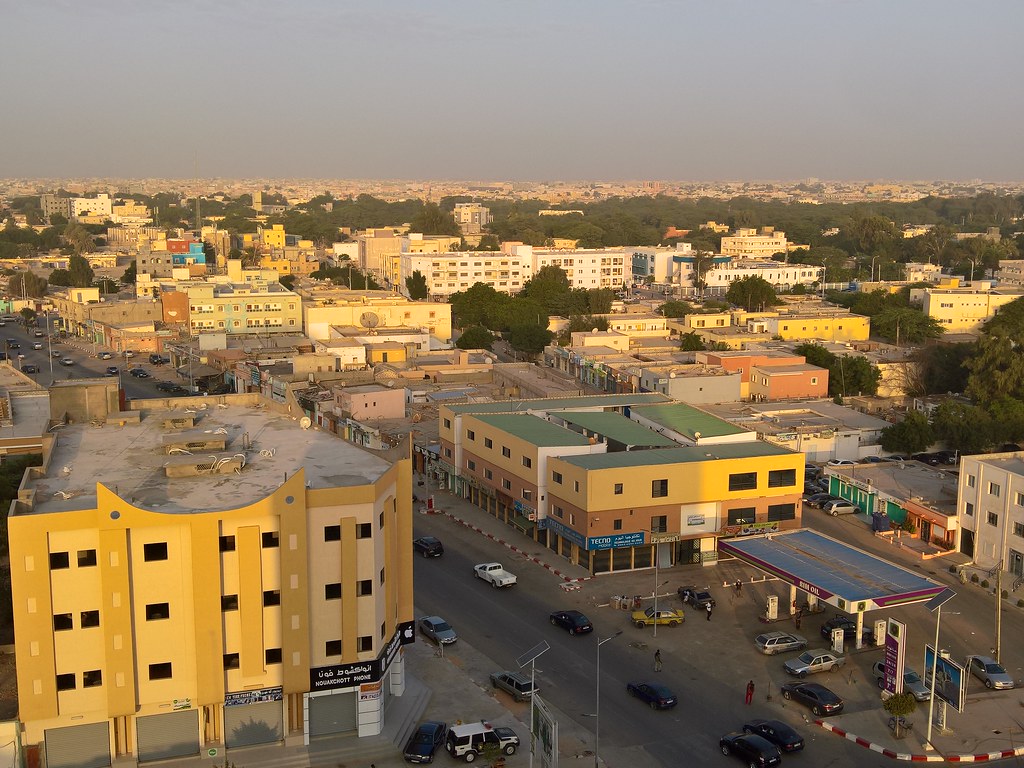
En avril, la Mauritanie connaît un climat chaud, sec et très ensoleillémarking the transition to the hottest season. In Nouakchott, where the Forum will be held, the heat is slightly tempered by sea breezes. The nights remain relatively mild, around 21°C to 23°C.
It is advisable to bring light, covering clothing, a hat, sunglasses and sun protection.
Money and payments
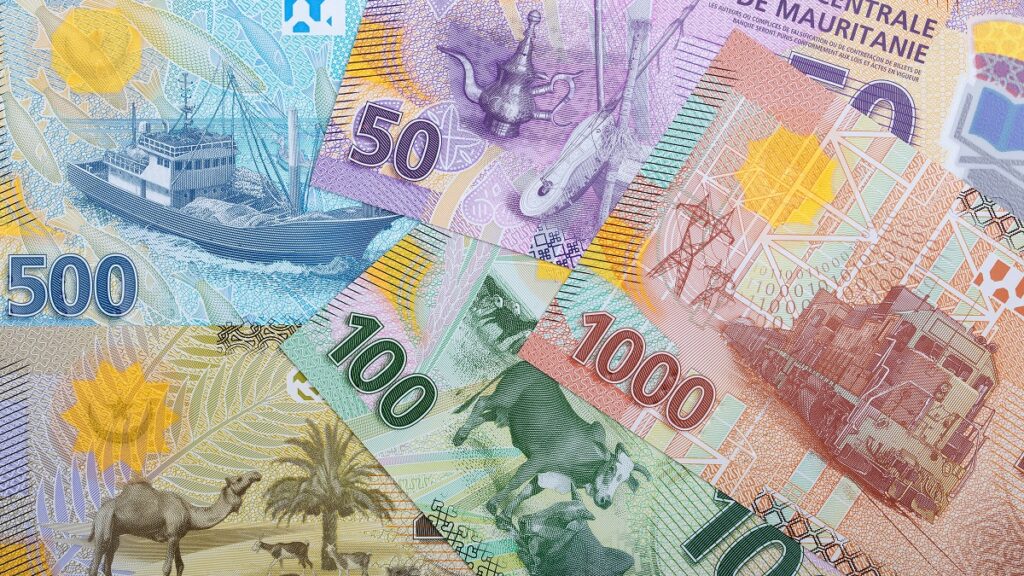
The official currency in Mauritania is the Mauritanian ouguiya (MRU). However, some merchants and service providers continue to use the old currency, the MRO, which is one-tenth of the MRU. It is therefore important to always check whether prices are listed in MRU or MRO to avoid any confusion.
.
Payments are mostly made in cash, as bank cards are rarely accepted outside of major hotels and a few establishments in Nouakchott. ATMs are available in the capital, but it is strongly advised to bring cash with you.
transportation
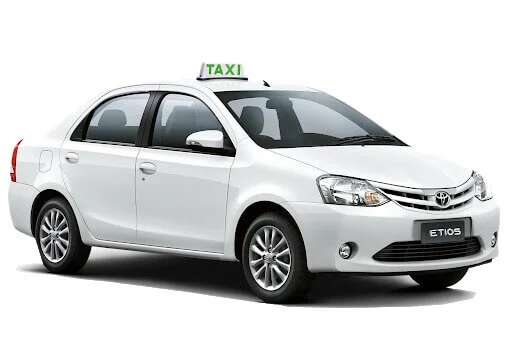
Getting around Nouakchott is mainly done by taxi. For visits outside the capital, it is recommended to use local agencies or guides to ensure greater comfort and safety.
For personal travel, we recommend using national on-demand transportation services, available on iOS and Android, such as:
CarAPP
Sehdini
ClassRide
etc…
Iconic sites to discover
Forum participants will have the opportunity to discover several remarkable sites, including:
Nouakchott
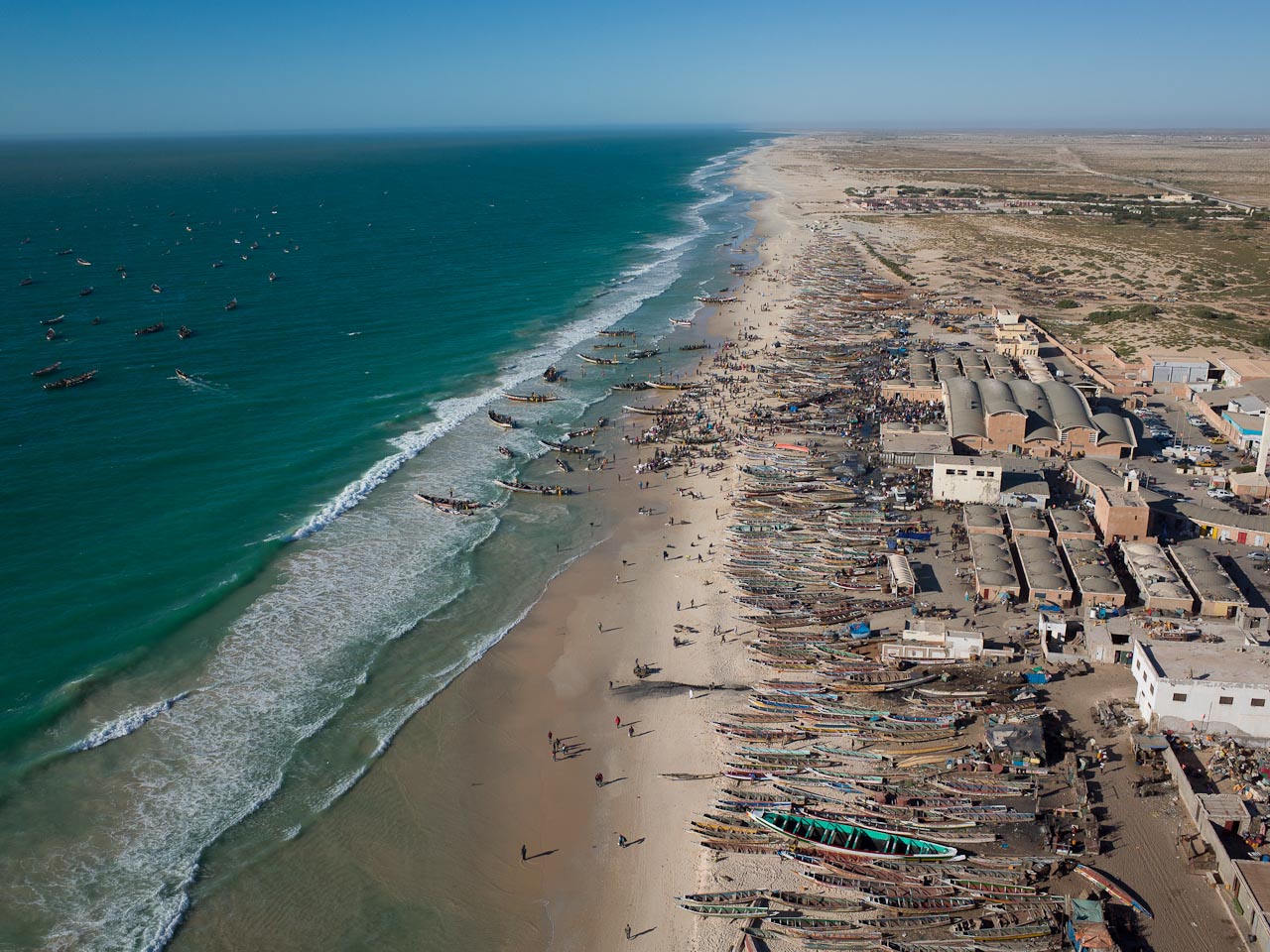
The artisanal fishing port, an iconic and lively place;
Traditional markets and local crafts;
Nouakchott beach is ideal for a sunset stroll.
Banc d’Arguin
One of the most important natural sites in the region;
An exceptional biodiversity reserve, recognized for its marine and coastal ecosystems;
Observation of several species and discovery of the Imraguen fishing communities.
Diawling Park
An exceptional site located in southwestern Mauritania, near the Senegal River delta.
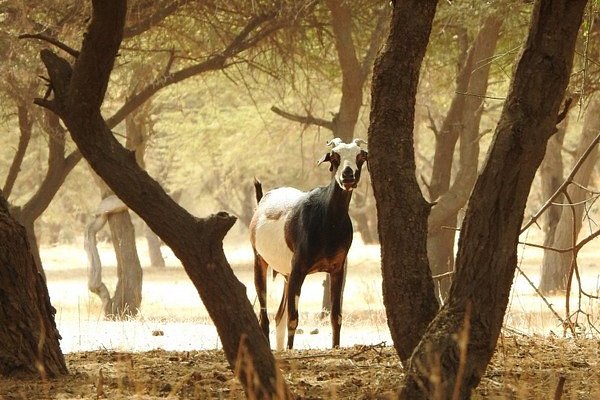
The park is home to numerous species of migratory birds, as well as fish, reptiles, and mammals.
It plays a key role in protecting biodiversity.
Its management combines nature conservation and local activities such as fishing and agriculture.
Chinguetti
A historic and spiritual city of the desert;
Famous for its ancient libraries and Saharan architecture;
Starting point for exploring the Adrar dunes.
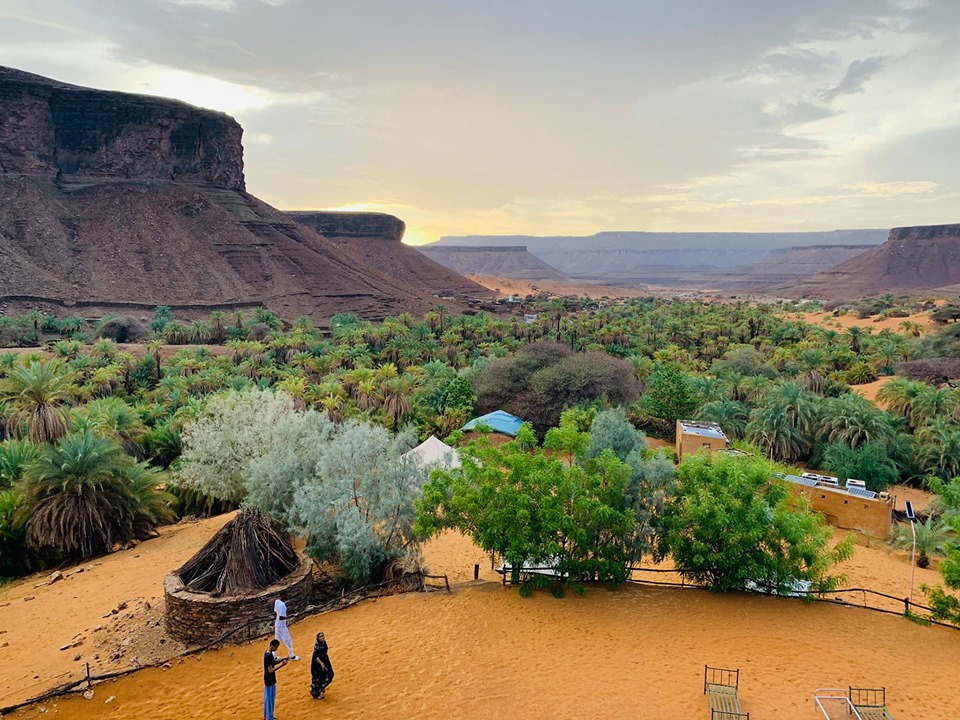
Atar Region
Spectacular landscapes between rocky plateaus, oases and dunes;
Ideal for cultural and ecotourism excursions.
Other tips
Respect local customs and dress appropriately, especially outside tourist areas;
Drink water regularly to avoid dehydration in desert regions;
Contact the organizers for information about tours organized alongside the Forum.
Since 2004, the PRCM has organised the Regional Marine and Coastal Forum (FOMACO), which has become the essential meeting place for all stakeholders involved in the protection of marine and coastal ecosystems.