
Theme and sub-themes
The 12th edition of the Regional Marine and Coastal Forum is scheduled from April 27-30, 2026 in Nouakchott, in the Islamic Republic of Mauritania.
For this 12th edition, the chosen theme is: “Ocean health: the lever for a sustainable and inclusive blue economy”.
This main theme will be broken down into six sub-themes, which are:

Integrated governance of marine and coastal areas

Sustainable, fair and resilient fishing
Social and solidarity-based blue economy.
Sustainable and innovative financing
Conservation of Marine and Coastal Biodiversity and Ecosystems

Nature-based adaptive solutions to global change
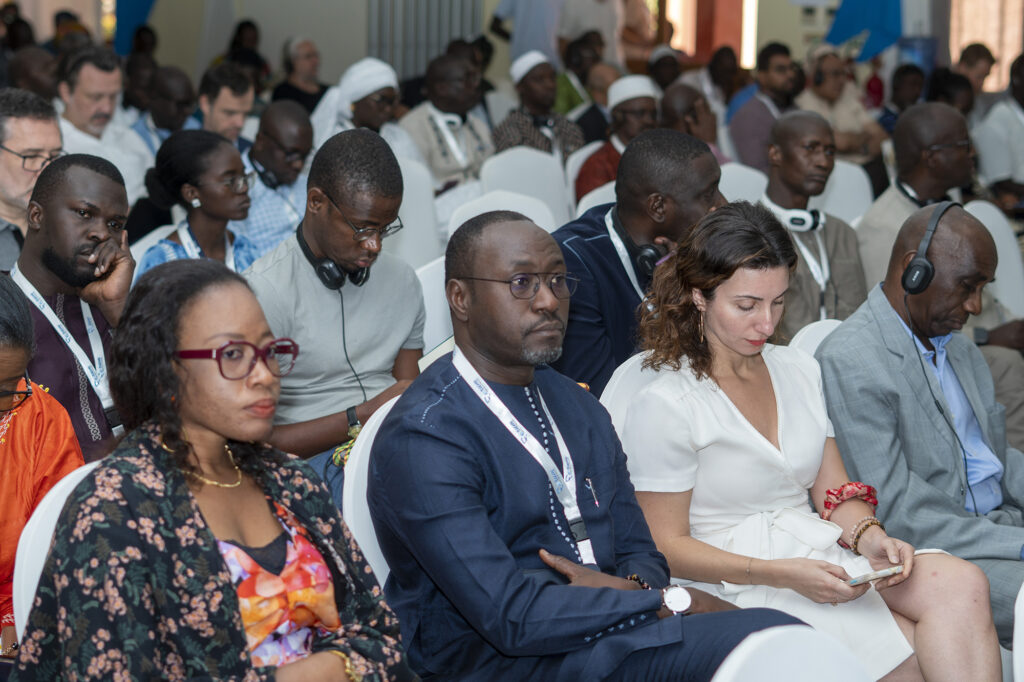
All the themes addressed at the Regional Forum are concerned, in various ways, with needs in technological innovation, communication, education, and research—all cross-cutting sectors that demand technical expertise, imagination, and creativity. The Regional Forum will therefore provide an opportunity to highlight progress made in these areas and to assess future needs. The following sections provide information to better understand the content of the various sub-themes and cross-cutting sectors, and allow stakeholders involved in marine and coastal conservation to submit summaries of their experiences, projects, initiatives, and reflections. We want to hear your stories, understand your challenges, celebrate your successes, and learn from your difficulties.
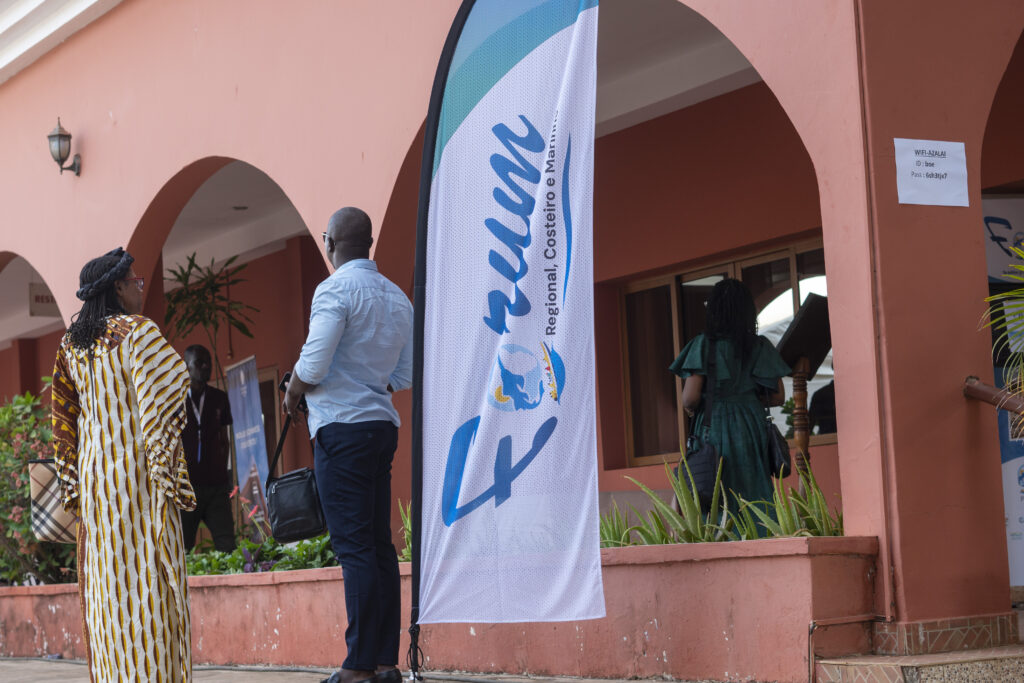
Sub-theme 1: Governance and integrated management of marine and coastal areas
Integrated governance and management of marine and coastal areas are approaches designed to sustainably manage coastlines as unique ecosystems where land and maritime activities (fishing, tourism, urban development, etc.) are interconnected, reconciling socio-economic development (economic growth, social equity) with environmental protection. This requires coordinated planning of land and maritime activities, multi-stakeholder consultation (public, private, and civil society), cross-border cooperation, and a long-term vision to address challenges such as climate change and natural hazards.
Through these approaches, the coastline is treated as a coherent system, integrating ecological, economic and social issues, often going beyond traditional administrative boundaries to adopt a relevant scale, ranging from the watershed to the open sea.
Tools such as the creation of Marine Protected Areas (MPAs), Maritime Spatial Planning (MSP), project contracting, and the establishment of consultation frameworks enable the implementation of these approaches.
Sub-theme 2: Conservation of Marine and Coastal Biodiversity and Ecosystems
The conservation of marine and coastal ecosystems and their species is a fundamental pillar of ocean health and an essential foundation for the development of a sustainable and inclusive blue economy in West Africa. By preserving habitats and ecological functions that support fisheries, coastal protection, food security, and community livelihoods, conservation directly contributes to the economic, social, and environmental resilience of coastal areas. In the sub-region, various coastal stakeholders (traditional coastal communities, artisanal fishers, non-governmental organizations, protected area managers, researchers, educators, policymakers, and the private sector) are engaged in diverse and relevant initiatives for ocean health. Among these stakeholders, some are implementing conservation campaigns for iconic and threatened species, ranging from sea turtles, marine mammals, and sharks to less visible species that are nonetheless equally important for ecosystem balance. Others are committed to creating and strengthening marine protected areas, which are fundamental tools for biodiversity conservation, as well as to restoring critical ecosystems such as coral reefs, seagrass beds, mangroves, and other marine and coastal habitats. These approaches, rooted in local contexts, help maintain essential ecosystem services and strengthen community ownership of conservation efforts. This sub-theme aims to highlight the experiences, approaches, and lessons learned by different actors in their various contexts, emphasizing the complementarity between science, public policy, and traditional knowledge. The expected contributions will help identify positive results and conditions for success, challenges encountered, and levers for action to validate approaches and methodologies, promote synergies, facilitate collective learning, and create spaces for recognizing and valuing the efforts undertaken.
Sub-theme 3: Nature-based solutions to global change
Today, with a changing climate, intensifying pollution, and human activity encroaching on West African coastlines, nature-based solutions (NBS) are becoming increasingly important. They help make our coastal and shoreline ecosystems more sustainable, while strengthening a blue economy that benefits everyone. Restoring mangroves, seagrass meadows, and coastal dunes protects coastlines from erosion and storms, sequesters carbon (the so-called blue carbon), cleans water, and ultimately revitalizes habitats essential for fishing and tourism. But planting or restoring isn't enough; it's also crucial to mobilize local knowledge, involve communities, and consider the economic and social realities of coastal stakeholders. These solutions then become levers for adaptation, mitigation, and resilience in the face of climate change and intense human pressures. This guarantees an ideal living environment, ensures food security, creates jobs, and protects our ocean resources and coastal infrastructure. SbN (Small and Medium-sized Enterprises) are concrete solutions for the coastal and shoreline environment, as well as for coastal communities, municipalities, and stakeholders.
Sub-theme 4: Sustainable, fair and resilient fishing
The fisheries sector remains a cornerstone of West African national economies, contributing to macroeconomic stability, fostering growth and job creation, and playing a vital role in combating poverty and food insecurity. Key issues and challenges in this sub-region include developing activities that meet the requirements of sustainable and equitable fishing, achieving ecological transition, adapting to climate change, and transitioning to a blue economy. Sustainable and equitable fishing is a globally promoted integrated fisheries management concept that aims to reconcile the preservation of fish stocks with maximizing the socioeconomic benefits of their exploitation. The implementation of this concept relies heavily on coherent policies and harmonized fisheries legislation that promote the long-term sustainability of fish stocks. This involves strengthening the sustainable exploitation of fisheries resources through, among other things, the development of fisheries research (assessment and monitoring of fish stocks), the protection of critical habitats, the promotion of sustainable fishing practices (selective gear), the implementation of management and conservation measures (reduction of bycatch, establishment of closed seasons and respect for minimum sizes at first capture), the implementation of fisheries Monitoring, Control and Surveillance (MCS) systems at the national and regional levels, etc. It also involves developing fisheries value chains and sustainably increasing their contribution to national and local economies through, among other things, maintaining employment, food security, the resilience of coastal areas and communities, fair remuneration and the promotion of fisheries products, product traceability, improved transparency and the promotion of good fisheries governance, and the fight against illegal, unreported and unregulated (IUU) fishing. support to fishing communities for an improvement of their livelihoods.
Sub-theme 5: Sustainable and innovative financing
A sustainable and inclusive blue economy requires a development model that combines the effective protection, restoration, and regeneration of marine and coastal ecosystems with sustainable economic activities and equitable prosperity that benefits both people and the planet. This sub-theme highlights the role of sustainable finance in the protection, restoration, and enhancement of marine and coastal natural capital as an essential pillar for truly achieving the desired transition to a sustainable and inclusive blue economy. In a context where increasing pressure on resources, habitat degradation, and the impacts of climate change threaten both marine and coastal biodiversity and community livelihoods, mobilizing appropriate, innovative, and sustainable financing mechanisms is a key lever for translating conservation commitments into effective, equitable, and lasting actions. Innovative financing mechanisms and instruments can include public policy measures, such as various incentives, taxes, or subsidies; blue bonds; impact investing; blended finance mechanisms; trust funds; and blue carbon initiatives. Multi-stakeholder partnerships that foster engagement from the private sector, local authorities, and civil society also play an important role in this regard. Several initiatives are underway in West Africa focusing on blue finance approaches that support marine and coastal conservation. As part of promoting a sustainable and inclusive blue economy, particular attention should be paid to initiatives led or co-led by local organizations or communities, demonstrating how inclusive and regenerative economic models can strengthen ecosystem conservation and restoration, improve the resilience of coastal and marine areas and communities, and generate lasting social and economic benefits.
Sub-theme 6: Social and solidarity-based blue economy
Ocean health is the foundation of a successful and inclusive blue economy. When coastal communities invest in and diversify their activities, they create more responsible value chains. Artisanal seafood processing, sustainable aquaculture development, ecotourism, ecosystem restoration, and environmental services all help alleviate human pressure on natural resources and, at the same time, create decent jobs and generate income, especially for women and young people who need it most. By placing local governance, the social and solidarity economy, and equity at the heart of marine initiatives and policies, we make coastal areas more resilient to economic shocks and protect the ocean's natural capital, which remains essential for the future.
Cross-cutting sectors
These include technological innovations, communication, environmental education, and research.
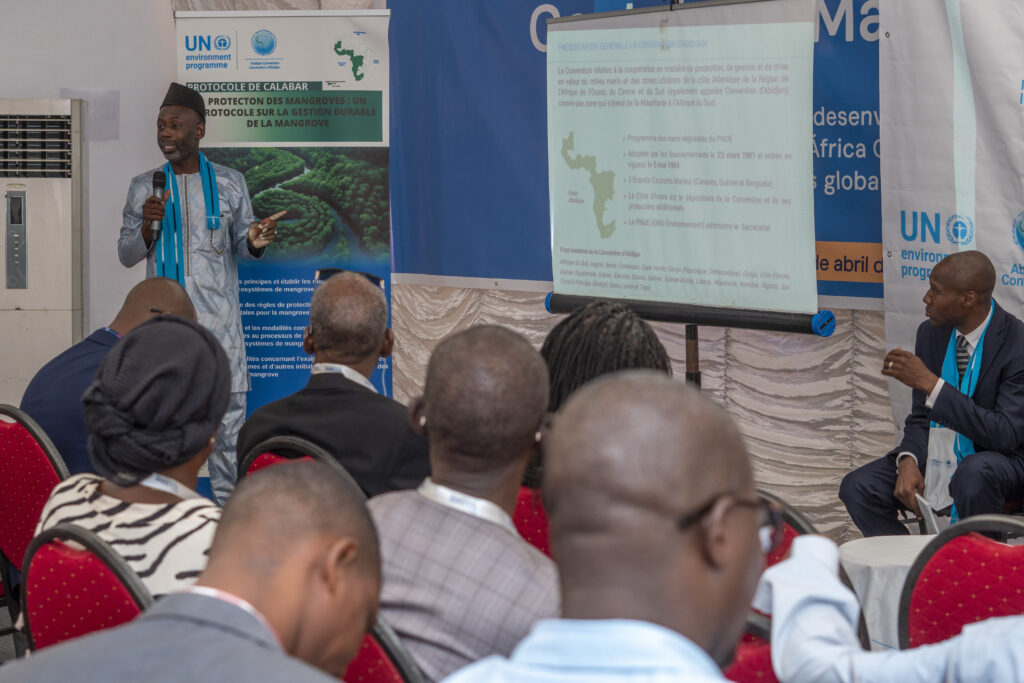
Technological innovations
In a rapidly changing world, where environmental issues present us with ever more complex and urgent challenges, new technologies offer opportunities to better address these challenges: satellite imagery, communication technologies, algorithms applied to living organisms, GPS migration tracking, citizen science applications, artificial intelligence, etc. – all technologies that accelerate the implementation of solutions tailored to the needs of conservation and exploitation of natural resources.
Communication
Sharing our knowledge about coastal biodiversity, highlighting the urgent need for action in the face of numerous challenges including climate change, making information more accessible and cooperation easier, exchanging lessons learned, or organizing an advocacy campaign: all these initiatives rely on communication. Yet, with the widespread adoption of smartphones, social media, and other digital tools, making our voices heard has become a real challenge that demands imagination and creativity from us, while also considering our responsibility regarding the environmental footprint associated with communication.
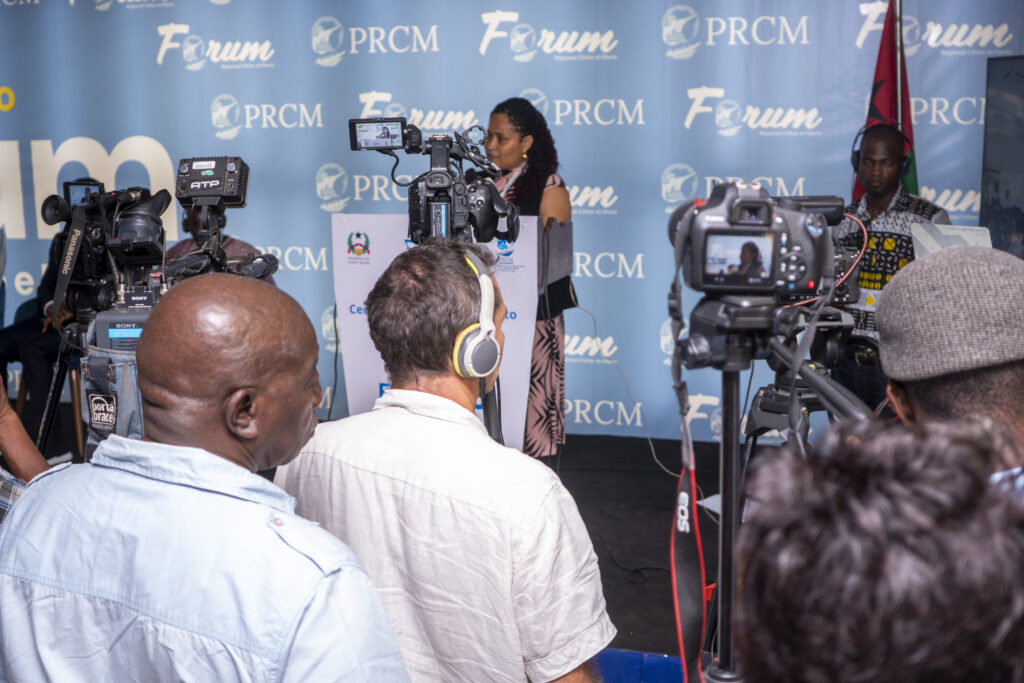

Environmental education
Alongside traditional education, which remains essential, it is becoming increasingly important to equip young people with the keys and tools for a better understanding of the world and its evolution. They are the ones who are, and will continue to be, on the front lines facing the new challenges posed by dwindling natural resources, waste management, biodiversity loss, and, more generally, the vulnerability of societies to climate change. More than ever, environmental education and development education should be considered priority disciplines.
Research
Research is an essential component of most activities related to biodiversity conservation or natural resource management. By refining our understanding of how ecosystems function, it helps guide management decisions. It contributes to ensuring a presence and ecological monitoring in the field. It provides a framework for knowledge sharing that allows for the integration of national and international expertise, the valuing of local/endogenous knowledge, and the training of students and technicians, while also raising awareness among local communities. By developing participatory or citizen-led approaches, research promotes the involvement of users in the management of the natural resources they utilize.


Since 2004, the PRCM has organised the Regional Marine and Coastal Forum (FOMACO), which has become the essential meeting place for all stakeholders involved in the protection of marine and coastal ecosystems.
Contact us
- Zone B, Rue 111, Immeuble Capucine, 1er étage, Appart C1, Dakar, Sénégal
- forum@prcmarine.org
- +221 33 867 97 66
© Forum PRCM