
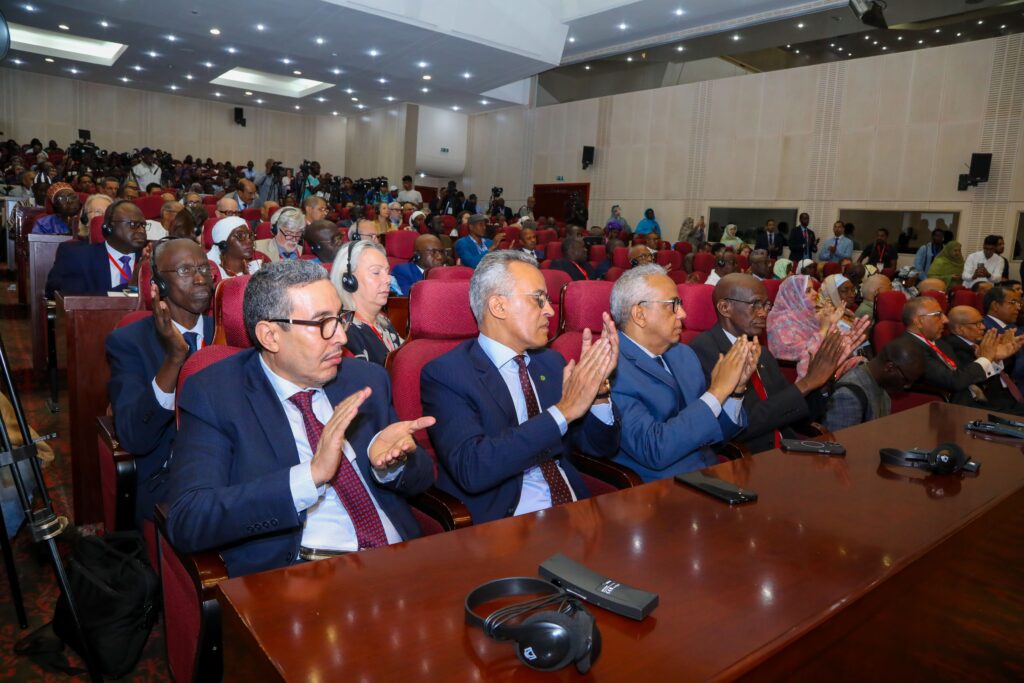
Du 27 au 30 avril 2026, Nouakchott a accueilli la 12e édition du Forum régional marin et côtier (FOMACO). Quatre jours de travaux, plus de 700 participants, une déclaration politique et plusieurs accords de partenariat. Le FOMACO s’est imposé cette année comme un moment charnière pour la protection des espaces marins et côtiers d’Afrique de l’Ouest.
C’est dans la grande salle du Palais des Congrès Mokhtar Ould Daddah que le rideau est tombé sur le FOMACO 2026, le 30 avril dernier. Quatre jours durant, ministres, scientifiques, représentants d’organisations régionales, acteurs de la société civile et partenaires financiers ont débattu de l’avenir des écosystèmes marins et côtiers ouest-africains. Au total, plus de 700 participants ont pris part à cette édition unanimement qualifiée d’« historique » par les acteurs présents.
An opening at the highest level of State
Placé sous le haut patronage du président de la République islamique de Mauritanie, Son Excellence Mohamed Ould Cheikh El Ghazouani, le Forum a été officiellement ouvert par le Premier ministre Monsieur El Moctar Ould Djay. Dans son discours, ce dernier a dressé un tableau sans ambiguïté de la situation : érosion côtière, montée du niveau de la mer, surexploitation des ressources halieutiques, pollution marine, perte de biodiversité et pêche illicite figurent parmi les menaces qu’il a explicitement nommées. « Nous devons construire une réponse collective, ambitieuse et durable »,a-t-il déclaré, appelant États, partenaires et communautés côtières à conjuguer leurs efforts.
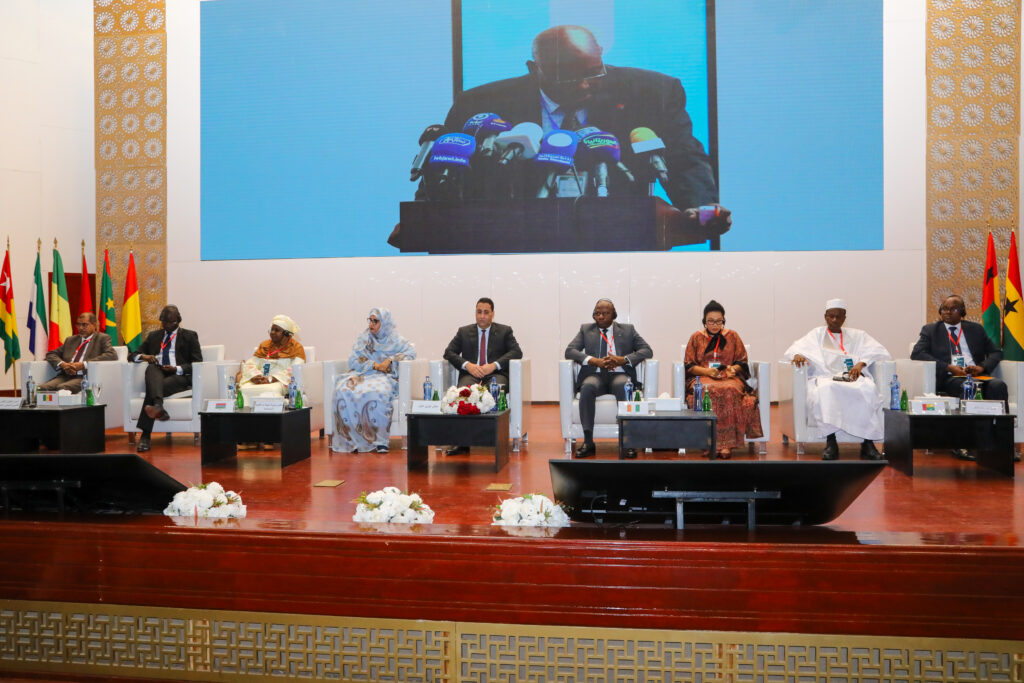
Monsieur Mahamadou Gado, Commissaire de l’UEMOA, a quant à lui rappelé la dimension économique de l’enjeu. Pour lui, l’économie bleue représente un levier de transformation majeur pour la sous-région : croissance, emploi, réduction de la pauvreté, autant d’opportunités que recèlent les ressources marines, à condition d’en assurer une exploitation durable.
Madame Messouda Baham Mohamed Laghdaf, ministre mauritanienne de l’Environnement et du Développement durable a, de son côté, mis en avant les avancées nationales, citant notamment la création de l’aire marine protégée « Baie de l’Étoile » comme illustration concrète de l’engagement du pays en faveur de la conservation des écosystèmes marins.
Monsieur Ahmed Senhoury, Directeur exécutif du PRCM, a quant à lui insisté sur la nécessité d’une approche véritablement inclusive. « La dégradation de la santé des océans ne menace pas seulement l’équilibre écologique. Elle met aussi en péril les économies et les populations qui en dépendent », a-t-il averti, plaidant pour une gouvernance associant États, communautés locales, chercheurs, société civile et bailleurs.
The blue economy: the Forum’s central thread
Tout au long des quatre jours de travaux, l’économie bleue a occupé une place centrale dans les échanges. Ateliers techniques, sessions plénières et événements parallèles ont permis d’aborder la gestion durable des ressources marines, le développement des filières halieutiques, la restauration des mangroves ou encore la résilience des communautés littorales face au changement climatique. Experts, décideurs et représentants de la société civile ont partagé expériences et recommandations, avec un objectif commun : concilier croissance économique, préservation des écosystèmes et inclusion des populations côtières.
A ministerial roundtable to accelerate commitments
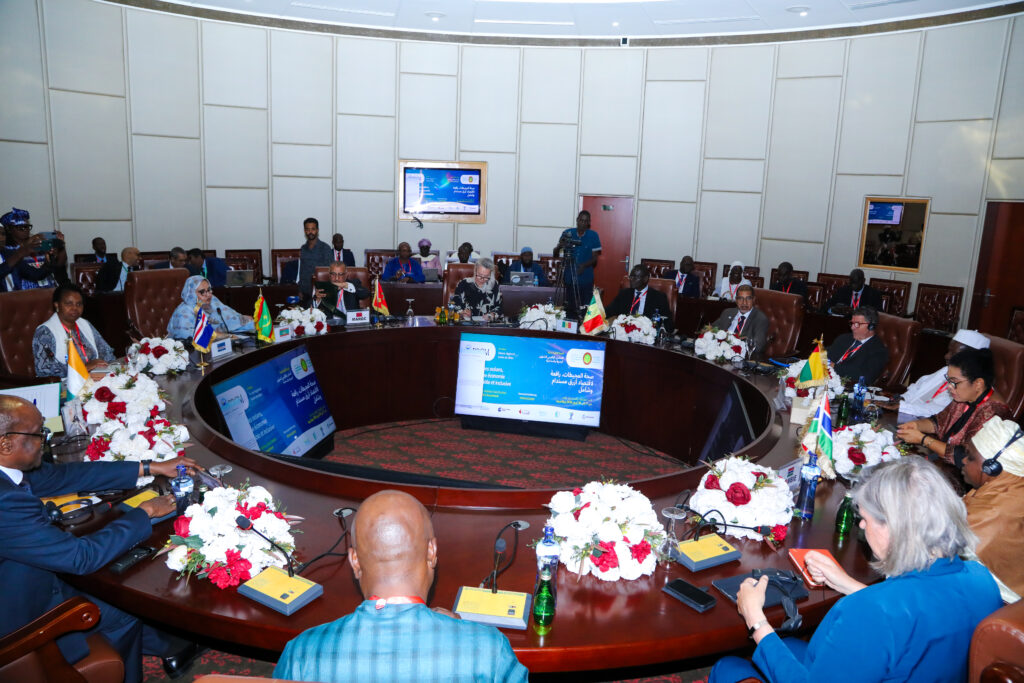
L’un des moments forts de cette édition a été l’organisation d’une table ronde ministérielle de haut niveau. Une douzaine de ministres et représentants gouvernementaux de la sous-région y ont débattu des conditions d’une mise en œuvre accélérée de l’Accord BBNJ, relatif à la biodiversité en haute mer, et de l’objectif mondial 30×30, qui vise à protéger 30 % des terres et des océans d’ici 2030, dans le cadre du Cadre de Kunming-Montréal.
Les travaux ont débouché sur l’adoption de la Déclaration de Nouakchott, document politique par lequel les États ouest-africains affirment leur volonté commune d’accélérer leurs engagements en matière de conservation marine et de gouvernance durable des océans.
Financing and partnerships: concrete announcements
La question du financement a également occupé une place de choix. Le 28 avril, une table ronde réunissant institutions financières internationales, fondations et partenaires techniques a permis d’explorer les mécanismes de financement innovants susceptibles de soutenir les initiatives environnementales marines en Afrique, avec une attention particulière portée à l’accès des acteurs locaux et communautaires à ces ressources.
Plusieurs annonces à cet effet, ont été faites. La Banque mondiale a lancé le programme WACA+, destiné à renforcer la résilience côtière et la gestion durable du littoral en Afrique de l’Ouest. Le PRCM et la Côte d’Ivoire ont quant à eux signé un accord-cadre officialisant l’adhésion de la Côte d’Ivoire au PRCM.
Un espace d’exposition rassemblant plus d’une vingtaine d’organisations a complété le dispositif, offrant une vitrine aux initiatives locales et régionales en matière de conservation marine, de pêche durable et de sensibilisation environnementale.
A ‘Call’ to conclude
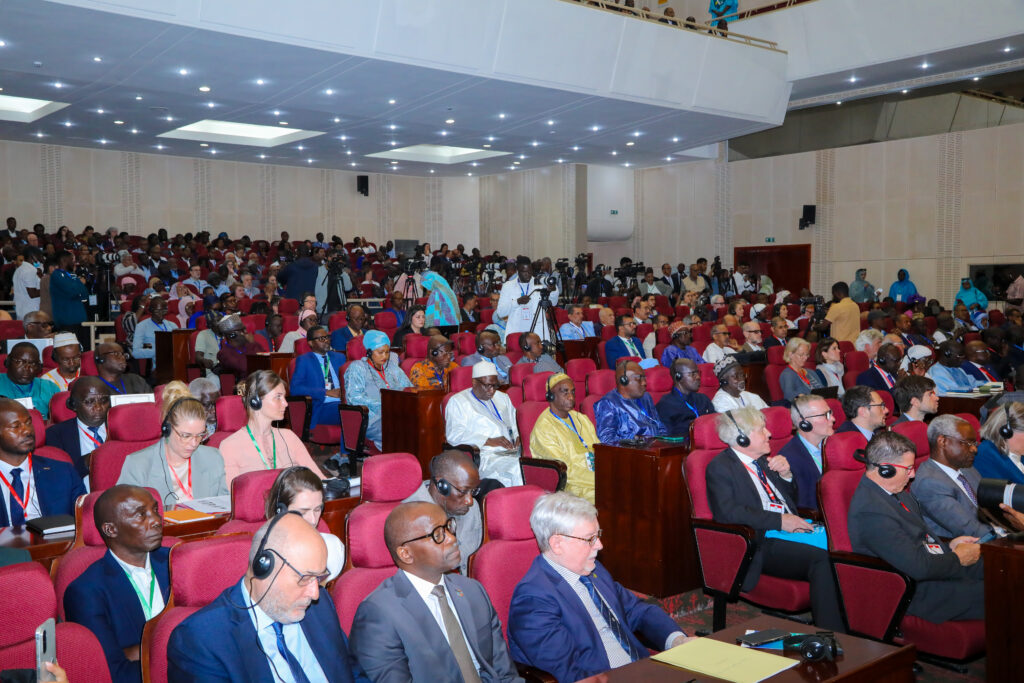
La cérémonie de clôture, présidée par la ministre mauritanienne de l’Environnement, a donné lieu à l’adoption d’un document final intitulé « Appel de Nouakchott ». Ce texte synthétise les engagements pris par l’ensemble des acteurs présents, États, organisations régionales, partenaires techniques et société civile, en faveur d’une gouvernance durable des espaces marins et côtiers. Un signal politique fort, à l’heure où la pression sur les océans n’a jamais été aussi intense.
Au-delà des résultats tangibles de cette édition, le FOMACO 2026 aura également confirmé la capacité du PRCM à fédérer, mobiliser et orchestrer un rendez-vous d’une telle envergure, rassemblant en un même lieu des acteurs diversifiés autour d’une cause commune. Cap désormais sur Abidjan en 2028 pour la 13e édition du Forum.